 Book a Home Trial


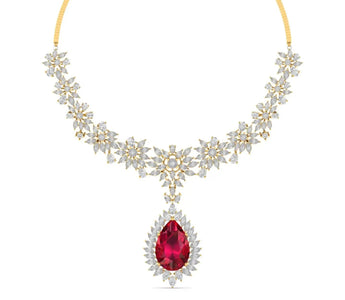
A complete Indian bridal jewellery list covers about a dozen pieces from head to toe: maang tikka or matha patti, earrings, nath, choker, long haar, mangalsutra, bangles or chooda, haath phool, rings, bajuband, kamarbandh, payal and bichiya. Most brides do not need every piece in new gold and diamonds. The smart approach is to decide which pieces are essential for your community's rituals, which you will wear again after the wedding, and which can be borrowed, inherited or kept lighter.
In this guide:
- The full bridal jewellery list, piece by piece, with names and meanings
- Which pieces are essential and which are optional
- An event-by-event plan, from roka to reception
- Buy new, re-use or redesign: a decision table
- A step-by-step buying timeline and checklist
- Common mistakes, and how Ivana can help
- FAQs
The Complete Indian Bridal Jewellery List, Head to Toe
The names below are the ones you will hear most often in North and West Indian weddings. South Indian, Bengali, Marathi and other traditions use regional names and some different pieces, so treat this as a master list and tick off what your family follows.
Head and face
- Maang tikka: a pendant on a chain that sits at the parting of the hair, resting on the forehead. It is the most common head piece.
- Matha patti: a fuller version with chains running along the hairline. It frames the face and suits brides with a broad forehead or a centre parting.
- Passa (jhoomar): a fan-shaped piece worn on one side of the head, popular in Muslim and Punjabi bridal looks, often paired with a tikka.
- Nath: the bridal nose ring, usually larger than an everyday nose pin, sometimes with a chain hooked to the hair or ear. Brides without a piercing can choose a clip-on or a press-fit style.
Ears and neck
- Earrings: jhumkas, chandbalis, long danglers or large studs. Heavy bridal earrings often come with a sahara (ear chain) to take the weight off the lobe.
- Choker (guluband): sits close to the base of the neck and is the anchor of most bridal necklace layering.
- Long necklace (rani haar or haar): falls to the chest or below and is layered under the choker.
- Mangalsutra: tied by the groom during the ceremony in many communities. It is the piece you will wear most often after the wedding, so it deserves the most thought. Our guide to what a mangalsutra means and how designs differ covers the traditions in detail.
Arms and hands
- Bangles and chooda: the red and white chooda is central in Punjabi weddings, while many brides add gold or diamond bangles on either side. Green glass bangles and shakha-pola carry similar meaning in other communities.
- Kaleere: umbrella-shaped ornaments tied to the chooda in Punjabi weddings.
- Haath phool: a hand ornament linking a ring to a bracelet across the back of the hand.
- Bajuband: an armlet worn on the upper arm, especially in South Indian and Rajasthani looks.
- Rings: the engagement ring, a wedding band and sometimes cocktail rings for later functions.
Waist and feet
- Kamarbandh (vaddanam): a waist belt that holds the saree or lehenga drape in place and finishes the silhouette.
- Payal: anklets, usually in silver.
- Bichiya: toe rings worn on the second toe of both feet as a sign of marriage in many Hindu families. Many families follow the custom of silver, not gold, below the waist, which is why payal and bichiya are rarely bought in gold.
Essential vs Optional: What You Actually Need
Bridal jewellery lists online often treat every piece as a must. In practice, most brides wear a core set at the main ceremony and add ritual pieces their family expects. This table helps you separate the two.
| Piece | Essential for most brides? | Wear again after the wedding? | Good choice in diamonds? |
|---|---|---|---|
| Earrings | Yes | Often, if not too heavy | Yes, especially convertible styles |
| Choker or main necklace | Yes | Sometimes, at festive events | Yes |
| Mangalsutra | Yes, where it is the custom | Daily | Yes, a light diamond design is easy to wear |
| Rings | Yes | Daily | Yes |
| Bangles or chooda | Yes | Diamond bangles: often. Chooda: ritual period only | Bangles, yes. Chooda, no |
| Maang tikka or matha patti | Usually | Rarely | Optional; polki or family pieces work well |
| Nath | Depends on community | Rarely (a small nose pin, yes) | Optional |
| Long haar | Optional | Rarely | Optional |
| Haath phool, bajuband, passa | Optional | Rarely | Optional; borrow or rent if unsure |
| Kamarbandh | Optional | Rarely | Usually no |
| Payal and bichiya | Yes in many families | Bichiya: often daily | No, usually silver |
The pattern is clear: the pieces you will wear again (earrings, rings, mangalsutra, bangles, a versatile necklace) are where diamonds earn their keep. Head, hand and waist ornaments are worn for a few hours, so heirloom, polki or borrowed pieces often make more sense.
An Event-by-Event Bridal Jewellery Plan
A modern Indian wedding can run to five or six functions. Planning jewellery by event stops you overbuying and helps each look feel different.
| Event | Mood | Suggested pieces |
|---|---|---|
| Roka or engagement | Elegant, light | Engagement ring, diamond studs or small drops, a pendant or fine necklace |
| Haldi | Casual, messy | Floral jewellery or very little fine jewellery; turmeric can stain settings |
| Mehendi | Playful, colourful | Statement earrings, a light choker, rings you can remove for the henna |
| Sangeet or cocktail | Glamorous, contemporary | Diamond danglers, a tennis necklace or diamond choker, cocktail ring, bracelet |
| Wedding ceremony | Traditional, full set | Maang tikka or matha patti, nath, choker plus long haar, heavy earrings, bangles or chooda, haath phool, kamarbandh, payal, bichiya |
| Reception | Polished, modern | A single strong diamond necklace, matching earrings, bracelet and rings; skip the head piece |
Notice how the same diamond earrings, bracelet and rings appear at three or four events. Designing your set so pieces move between functions is the single best way to get value from bridal jewellery. For the evening functions, a lighter diamond set with one strong focal piece usually photographs better than a full traditional set.
Buy New, Re-use or Redesign? A Simple Decision Rule
Most Indian brides already have access to family jewellery. Before you shop, sort every piece on your list into one of three columns.
- Buy new: pieces you will wear for years and that should fit your own style, such as the engagement ring, mangalsutra, everyday earrings and bangles. Lab-grown diamonds let you choose a larger or better-graded stone in these pieces, and the diamond is chemically and physically the same as a mined one.
- Re-use: heirloom head pieces, haath phool and kamarbandh that carry family meaning. Have them cleaned and checked for loose stones and weak links well before the wedding.
- Redesign: old gold that you will never wear in its current form. Exchanging or remodelling it into a modern piece keeps the sentiment and puts the metal to use.
If you want a traditional look without uncut mined diamonds, lab-grown polki recreates the flat, uncut style used in classic bridal sets, and you can browse bridal diamond and lab-grown polki jewellery side by side.
Step-by-Step: Your Bridal Jewellery Buying Timeline
- Five to six months before: write your list using the table above, mark what you already own, and agree with family on which ritual pieces are expected.
- Four to five months before: finalise your outfits, at least in colour and neckline. Jewellery should follow the outfit, not the other way round. Our guide on choosing jewellery for a lehenga explains how neckline and embroidery affect the choice.
- Four months before: shortlist and try on. Visit a showroom with photos or swatches of your outfits and try pieces together, not one by one.
- Three to four months before: place custom orders. Customised pieces need time for design approval, making and any changes.
- Two months before: confirm sizes. Measure your ring size and bangle size properly; for bangles, measure across the widest part of your hand with the thumb tucked in, not your wrist.
- Four to six weeks before: collect, check paperwork and do a full jewellery trial with the outfit, hair and make-up artist.
- Wedding week: pack each event's jewellery in a separate labelled pouch and give one trusted person charge of it.
What to check before you pay
- A diamond grading report from an independent lab for the main diamonds. At Ivana, diamonds come with IGI or SGL certification; you can check any report on the IGI report verification page.
- A BIS hallmark and HUID on the gold. The Bureau of Indian Standards hallmarking overview explains what the marks mean.
- A clear price breakup showing gold weight, diamond weight, making charges and tax.
- The buyback and exchange terms in writing, so you know what happens if you upgrade later.
- The weight of heavy pieces. Ask to hold earrings and necklaces for a few minutes, not seconds.
Common Bridal Jewellery Mistakes to Avoid
- Buying everything as one matching set. A fully matched set looks dated in photographs and limits re-wear. Coordinate by metal colour and stone style instead.
- Choosing earrings that are too heavy. You will wear them for eight to ten hours on the wedding day. Ask for a sahara or a lighter back, or choose a design with an open, airy structure.
- Ignoring the neckline. A high-neck blouse and a choker compete for the same space. Choose the necklace after the blouse design is fixed.
- Forgetting the after-wedding wardrobe. Brides often spend most of the budget on pieces worn once. Shift some of it towards the mangalsutra, earrings and bangles you will reach for daily.
- Leaving sizing to the last week. Fingers and wrists can swell with heat and travel. Size up slightly for bangles worn at the ceremony and confirm ring size at the final trial.
- Skipping the paperwork. Keep certificates, invoices and hallmark details together; you will need them for insurance, exchange or buyback.
How Ivana Can Help
Ivana Jewels makes lab-grown diamond jewellery in BIS hallmarked 9kt, 14kt and 18kt gold, with diamonds certified by IGI or SGL. For a bride working through this list, that means:
- Try pieces together at any of our 16 showrooms. Use the store locator to find the one nearest you and bring photos of your outfits.
- Book a virtual appointment if you or family members are in another city or abroad, through our virtual appointment page.
- Customise or redesign pieces, from a mangalsutra pendant to a remodelled heirloom, through our customisation service.
- See the live price breakup on each product page, because gold-linked pricing changes with the daily gold rate.
- Buy with confidence: Lifetime Buyback and Exchange, plus 7-day free returns on online orders.
Start with the core pieces in our bridal diamond jewellery collection, then add a diamond mangalsutra and diamond bangles you will wear long after the wedding. If you are new to the material itself, our page on lab-grown diamonds explains how they are made and graded.
FAQs
What are the 16 pieces of Indian bridal jewellery?
The idea of sixteen adornments comes from the solah shringar tradition, which includes make-up and attire as well as jewellery. The jewellery usually counted includes the maang tikka, nath, earrings, necklace, mangalsutra, bangles, haath phool, bajuband, rings, kamarbandh, payal and bichiya. Exact lists vary by region and family.
What jewellery does a bride need at minimum?
A practical minimum is earrings, a main necklace or choker, rings, bangles and, where it is the custom, a mangalsutra and bichiya. Head and hand ornaments can be added from family jewellery. This core set covers the ceremony and can be re-worn afterwards.
Should bridal jewellery be gold, diamond or polki?
Many brides now mix all three. Polki or heirloom gold suits the traditional ceremony look, while diamond pieces work across the reception, cocktail and everyday life. Choose by how often you will wear each piece after the wedding.
Are lab-grown diamonds suitable for bridal jewellery?
Yes. Lab-grown diamonds have the same hardness, sparkle and chemical make-up as mined diamonds, so they suit pieces worn daily such as rings and mangalsutras. Ask for an IGI or SGL report and a BIS hallmark on the gold.
When should I start buying my wedding jewellery?
Start planning five to six months before and place custom orders at least three to four months ahead. Ready-made pieces can be bought later, but leave time for resizing and a full trial with your outfit.
Why are payal and bichiya usually silver?
In many Hindu families gold is not worn below the waist out of respect, as gold is associated with the goddess Lakshmi. Silver anklets and toe rings are therefore the norm, though customs differ between communities.
Can I wear my bridal diamond jewellery after the wedding?
Yes, if you plan for it. Choose earrings with removable drops, a necklace that works with western and Indian outfits, and a light mangalsutra. These pieces can carry from the reception into everyday wear.


